
How to keep your teams safe when working in confined spaces
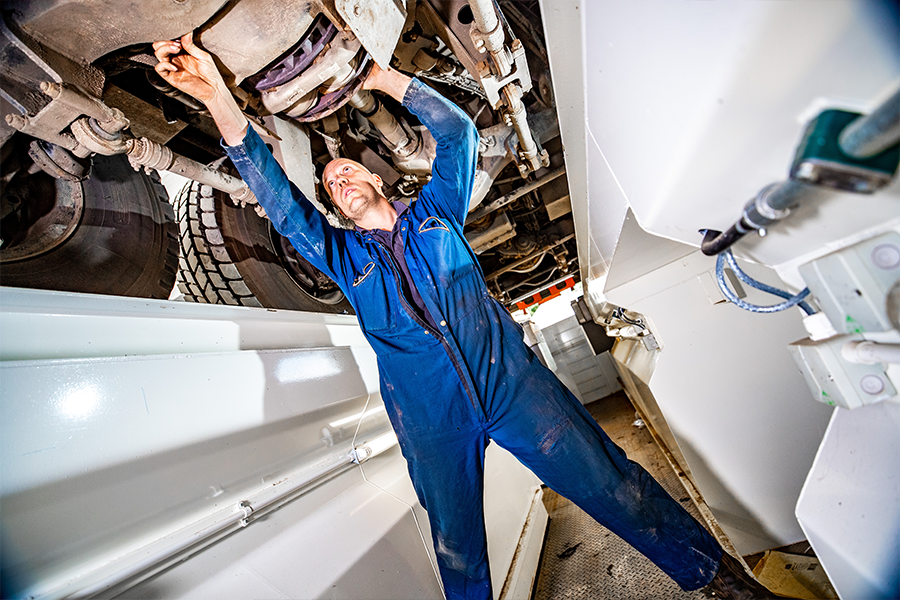
Every good workshop needs a safe working environment.
But some environments come with a completely different set of risks.
If your teams are working in confined spaces (like an inspection pit), you need to understand the potential hazards — and the solutions that make tight working as safe as possible.
Here’s what you need to know about confined space safety:
1. Do what you can outside the space
This one is simple — and it’s also the most effective:
The less time you spend in a confined space, the less risk you’re exposed to.
If you’re working on a vehicle undercarriage that needs a simple repair close to its sides, you won’t always need to use an inspection pit.
If you’re giving it a full service that involves some pit work, you can do as much as you can at ground level first — so you’re only using the pit for the jobs that absolutely need it.
No matter how safe your pits are (and ours are some of the safest), there’s always a small risk. If your teams are spending time in the pit when they don’t have to, they’re adding unnecessary risk — without any real benefit to the jobs they’re doing.
2. Always have a safe exit
In a confined space, movement isn’t easy. And in an emergency situation — where there could be smoke or fire — your workers won’t always be making calm decisions.
So make it easy for them:
No matter how small the space, create an entrance and exit that’s wide, obvious — and clear from obstructions.
In the most common confined spaces (like a vehicle inspection pit), that means including things like:
- Clear signage and high-visibility markings
- Non-slip flooring and handrails on stairs
- Positioning the exit with plenty of space around it
- And training your teams to keep exits clear and unobstructed.
3. Keep the air clean
Working in a confined space isn’t just about the walls and floor:
It’s a confined atmosphere, too. And that comes with its own safety requirements.
In a tight space with a limited volume of air, even a small leak can quickly build up to dangerous levels — which could mean restricted oxygen, toxic fumes, or a flammable environment.
While some of these gases might be obvious to your workers, some of them (like carbon monoxide) can be invisible and odourless.
So if your teams are working in any confined space, you need the right ventilation to help extract any dangerous gases, and keep the atmosphere clean and safe.
But if you’re running a workshop and you’re concerned about pits, you’re in luck:
Because a modern prefab inspection pit will always come with the proper measures for ventilation as a standard part of its installation.
4. Keep your workers cool
This might not be a common problem — especially with the weather in the UK.
But when you’re working in tight spaces, temperatures can easily get out of control.
(Especially if you’re working under a vehicle that’s been running, or using motorised hand tools.)
When your workers start to overheat, they won’t always make the safest decisions. In extreme cases, they could even feel faint or start to pass out — which is a huge safety risk if they’re operating machinery.
So as well using ventilation to keep the atmosphere clean, you should be monitoring the temperature of any enclosed space — and making sure your teams are taking regular breaks away from the space to get some fresh air and cool off.
5. Make a plan for emergencies
No matter how careful your teams are with their confined space safety, there’s always the chance of an emergency situation.
And if you don’t have a plan in place, your workers won’t know how to respond.
Creating a thorough plan for emergencies isn’t just a good idea — it’s a requirement from the government’s HSE (Health and Safety Executive).
According to The Confined Spaces Regulations 1997, any work in confined spaces needs to:
- Be avoided (if possible)
- Follow a safe system of work
- Have emergency arrangements in place before you start work.
In practice, that usually means you need to:
- Assess the risks of working in a confined space
- Do what you can to reduce those risks
- Create a plan for any potential rescue and resuscitation
- And provide and maintain any equipment needed for that rescue and resuscitation.
With the right plan in place, you’ll be ready to react — helping you keep your teams safe in any confined space.
Need some advice about pit safety?
If you’re looking to upgrade your workshop with a pit — but you’re not sure what that means for your workshop safety — we’re here to help.
All of our vehicle inspection pits come as prefabricated units constructed in specialised facilities — equipped with every modern safety feature to help you minimise any risk to your teams while they work.
Take a look at our inspection pit specifications to learn more — or send us a message and we’ll talk you through your options.